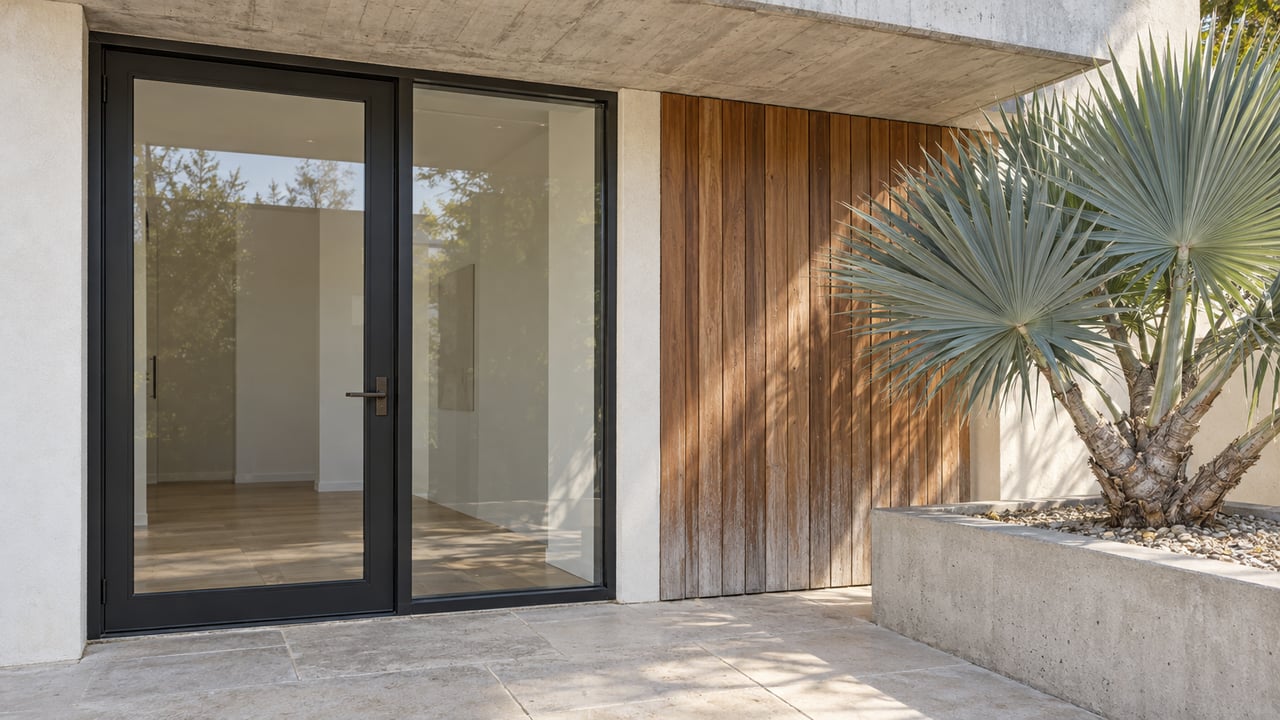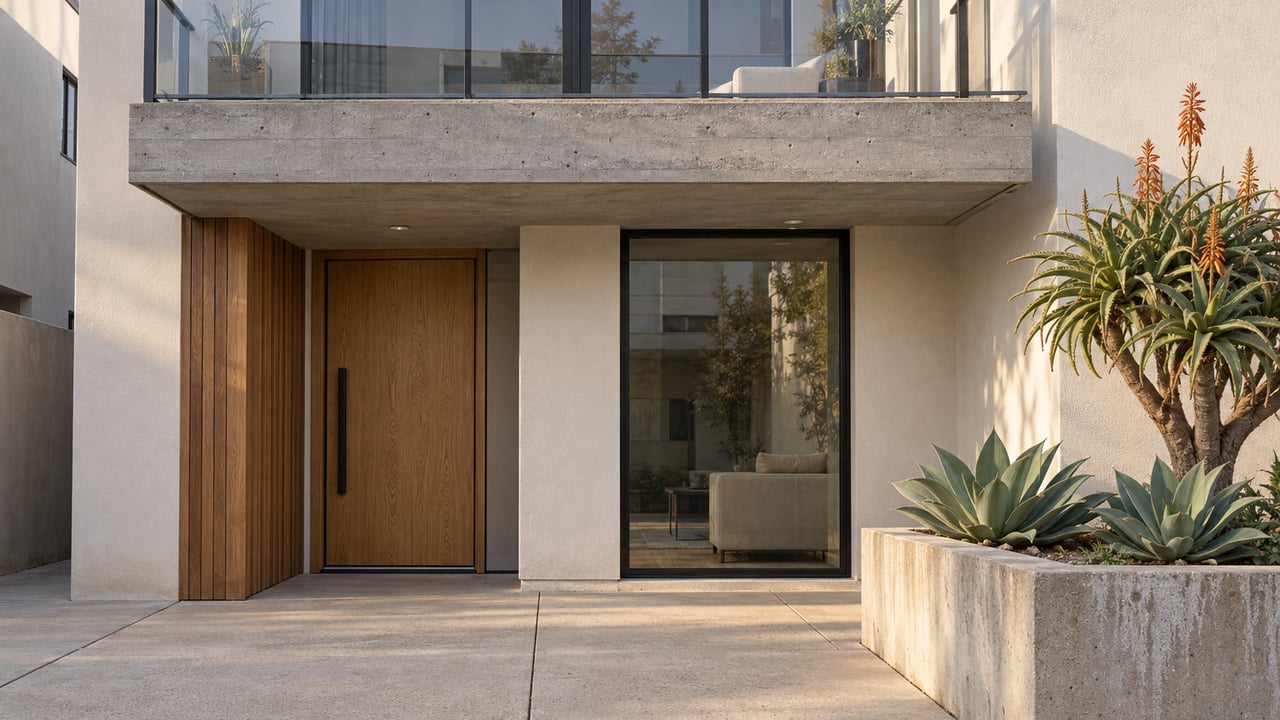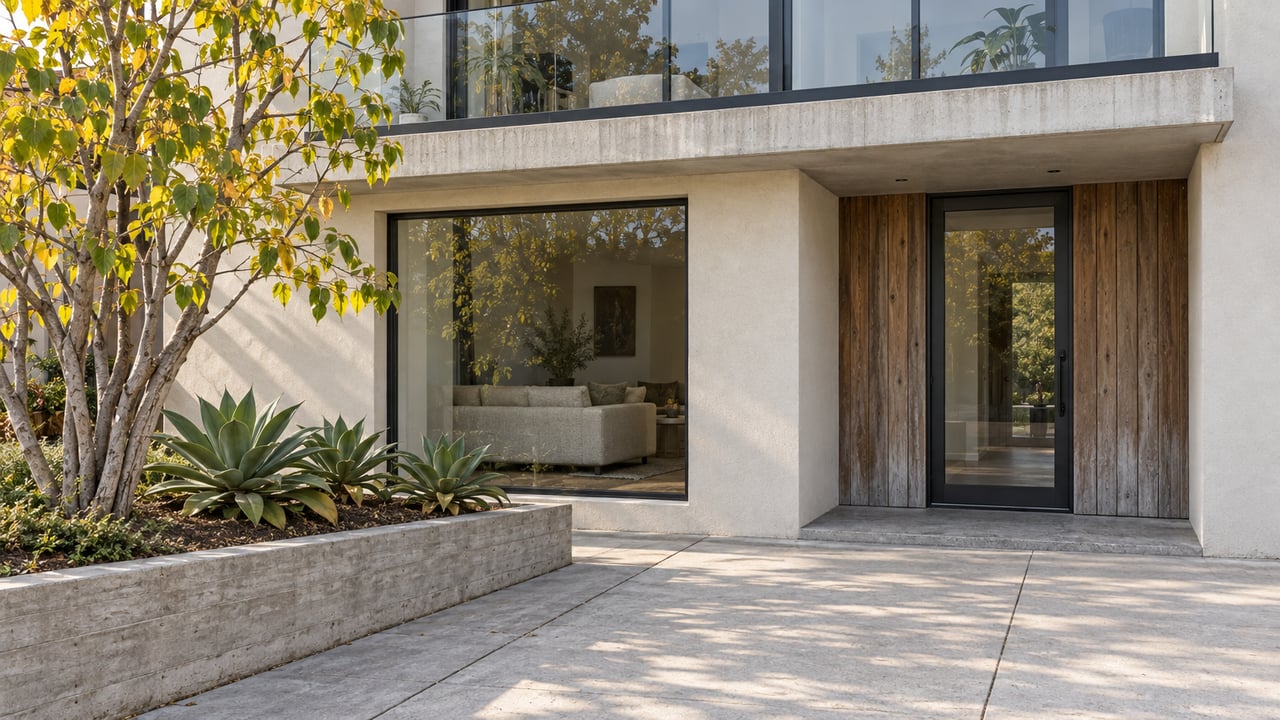
On Monday, Sept. 28, Costa Mesa's Planning Commission approved 21 single-family ownership homes on a vacant former mobile home park at 396 E. 21st St., near Tustin Avenue. One commissioner summed up the vote in a line the Daily Pilot reported: "Because of state housing law, we really don't have any other option but to approve this project."
The project is called Eira, and it is small. It matters because it shows on a 1.49-acre lot what Costa Mesa's own planners have warned could happen on a 110-acre one. Thirteen days earlier, the City Council voted to cap the former Fairview Developmental Center at 2,300 homes. The staff presentation for that hearing put a label on the 2,300-home option that has received far less attention than the vote: "Not financially feasible."
For anyone weighing Costa Mesa against other coastal Orange County cities, Fairview is the largest single variable in the city's housing future. The 2,300 figure that has been in the headlines is probably not the final count.
A cap the city's own analysis says loses money
The council voted 7-0 on Sept. 15 for the 2,300-home plan at 2501 Harbor Blvd., according to the Orange County Register. Voice of OC reported that 920 of those homes are designated for low- and very-low-income households and that the site could accommodate 4,000 units. Officials chose the lower number to limit crowding and traffic. At the Oct. 6 second reading, the council adopted the specific plan with the 2,300-unit maximum, at least 25 acres of open space, and at least 15,000 square feet of nonresidential space, as Citizen Portal reported.
The city's September hearing presentation ran the financial feasibility analysis for all three unit counts:
| Scenario | Total development cost, excluding financing | Annual IRR | Feasibility surplus or gap |
|---|---|---|---|
| 2,300 units | $578.1 million | -20.0% | -$233 million |
| 3,450 units | $959.1 million | 14.6% | -$5.02 million |
| 4,000 units | $1.2132 billion | 16.7% | +$26.7 million |
The same slide notes that the industry standard is an IRR of at least 15%. At 3,450 units the project roughly breaks even. At 2,300 it falls about $233 million short. The cost of cleaning up and preparing the site stays the same whichever unit count is chosen, so cutting homes cuts revenue without cutting that cost.
The presentation also says that a July 2026 letter from the California Department of General Services, which controls the land, provided "overall support for 4,000 units." Staff offered two middle options, 3,800 and 3,500 units, which would give up roughly 2 and 5 acres of ground-floor open space.
One more detail complicates the number. In the city's 2021-2029 Housing Element, under Program 3B, Fairview is listed at "2,300 units minimum." The figure the council adopted as the site's maximum is the same figure the city's housing plan treats as the least it expects there.
The mechanism staff flagged, and what Eira shows it doing
Under the 2,300-unit option, the staff slide includes a line that matters more than the IRR. It says the option would "propel use of State density bonus law, waiving development standards." It also says the option "requires secondary access road" and is "not consistent with legislation or Agreement with State."
The Eira approval shows what that line means in practice. According to the Daily Pilot's account, Irvine-based Modern Mobile Ventures designated one home for a very-low-income buyer and qualified for a density bonus under state law. That bonus, in the Pilot's words, "effectively overrides local zoning regulations and design standards." The trade worked out like this:
- One affordable unit, a 908-square-foot plan in the back corner of the site, allowed four more homes than the 18 that city rules defined for the lot.
- The city had to waive its standards on density, building height, distance between units, open space, parking minimums, and front, rear and side setbacks.
- The homes will rise to 31 feet, 6 inches. They are two-story Nordic farmhouse-style designs with three- and four-bedroom floor plans, and construction could take 18 to 24 months.
Fairview's adopted plan already reserves 40% of its homes for lower-income households. The city's own staff connected a money-losing unit count to the density bonus tool. Eira showed in late September how much a local cap holds once a project qualifies for that tool. This post describes how state housing law has been applied to local projects and is general information. It is not legal advice, and anyone evaluating a specific property should confirm the details with a land-use attorney or the city's planning division.
What still stands between the vote and a shovel
Before anyone tests that cap, the state has to find a builder. The city's Fairview page says DGS is accepting proposals through its State Commercial Opportunities Portal. The DGS selection process takes proposals on a rolling basis unless a site deadline is posted. It weighs them on the likelihood of successful implementation, the financial return to the state, and local and regional impact. Financial return to the state is one of those criteria, and the city's own analysis scores the 2,300-unit plan at a $233 million gap.
The adopted specific plan says the master developer may buy or lease the land. It traces the city's planning role to Senate Bill 188, passed in 2022, which authorized DGS to enter an agreement with Costa Mesa that makes housing a priority use and requires affordable housing. The Southern Regional Emergency Operations Center sits on a separate 15-acre parcel at the southwest corner of the site, outside the plan boundary. Its approved design includes a 39,000-square-foot office, a 21,000-square-foot warehouse and a 120-foot communications tower.
Access is the other open question. Voice of OC reported that more than 40 residents spoke on Sept. 15, many of them about the Mesa Linda golf course, which opened in 1967 and which a 60-foot secondary road could have cut through. The adopted approach leaves the course alone for now. According to the Register, the city will prioritize negotiations to use Merrimac Way, a private road, if a second access point becomes necessary. Staff listed the secondary road as a requirement of the 2,300-unit option, so the route question will come back once a developer is in place.
The citywide numbers point the same way
Fairview is one entry in a much larger plan. Costa Mesa's state allocation for 2021-2029 is 11,760 homes. The council adopted a Housing Element amendment on Sept. 1 to add replacement sites and sent it to the state housing department, HCD, for certification. The city's September 2026 Final Program EIR studies a realistic buildout of 22,441 net new units across 1,058 parcels. That figure measures zoning capacity. It is not a construction schedule. The zoning package that carries much of this capacity cleared the Planning Commission 3-1 on Sept. 28, as Costa Mesa 1st reported, and was set for a Council public hearing on Oct. 20.
The projects that actually get built tend to land above the planners' assumptions. At the Sept. 1 hearing, staff reported that accessory dwelling unit permits were running ahead of projections, as Costa Mesa 1st summarized. Eira came in above its zoning. One Metro West at 1683 Sunflower Ave. went the other way: a minor change approved May 29 cut its planned rental count from 1,057 to 957 and replaced a standalone creative-office building with resident amenities. In each case, the economics of the individual project set the final count.
What this means if you are buying into Costa Mesa now
For a buyer, the near-term question is how much new for-sale supply exists. The answer is very little. Eira adds 21 homes, and it is an approval with no reported groundbreaking. Earlier ownership approvals, such as Meritage Homes' 142 units at 3150 Bear St., date to 2025. Most Costa Mesa buyers will be choosing among existing homes in a county market that was still tight in August 2026. According to the California Association of REALTORS®, Orange County's median price for an existing single-family home was $1,452,500 that month, up 4.9% from August 2025. Unsold inventory stood at 3.1 months, and median time on market was 27 days, down from 32.5 days a year earlier. Those are countywide figures. Costa Mesa results vary by street and product type.
Over a longer horizon, homes near Harbor Boulevard, Merrimac Way and the Mesa Linda course sit next to a site where the final unit count, the developer and the access route are all unsettled. The adopted 2,300 is a starting position, not a fixed number, and the city's own staff documented why.
FAQ
Has a developer been chosen for Fairview? The Los Angeles Times reported after the September vote that no developer had been selected, and the city's Fairview page says DGS is accepting proposals through its commercial portal.
Does the 2,300 cap mean the golf course is safe? For now. The adopted approach prioritizes Merrimac Way for any secondary access, and the second-reading changes added language prohibiting a road cut through the course.
When could Eira be finished? The Daily Pilot reported that construction could take 18 to 24 months once it begins.
If you own near Harbor Boulevard or on the Westside and want to know how the Fairview plan could affect your home's value as decisions get made, Adam Loucks can walk you through recent sales near the site and keep you posted as the developer and access decisions come in. Get Your Instant Home Valuation as a starting point.